Mistakes Made, Learning Lessons & Tips For Fostering Dogs
Welcoming a foster dog into your home can be a deeply rewarding experience, but it also comes with challenges. Whether you’re fostering a dog, adopting a rescue, or simply bringing home a new furry friend, understanding their adjustment period is essential. From the 3-3-3 rule for dogs to tips on creating a safe environment, fostering a dog is all about patience, love, and clear communication.
In this guide, I’m sharing firsthand foster dog tips that cover everything from handling escape attempts and potty training to understanding their energy levels and helping rescue dogs settle into their new homes. These insights, built from years of experience, will help you create a welcoming space for your new companion while ensuring harmony with your resident pets. I’ve learned some valuable lessons about how to make the transition smoother for both you and your new furry friend.
I always spend A LOT of time with my foster dogs and rescues when I get them and give them lots of love, sweet talk treats as well as extra love to my other dogs and our main man Johnny the cat too! (Psst… If you are exclusively looking for cat advice, check out Johnny’s home oasis at Cattitude Chaos!) I want everyone to understand it is a good thing that a new dog is around with more treats, love, and praises. Truly, evaluating the physical benefits of fostering dogs, calculating the baseline costs of fostering a dog, and discovering how does dog fostering work comes down to these first few days.
Here are my top fostering dogs tips for the first few days to weeks of welcoming a rescue home…
Fostering Dogs: Why Foster, What’s Involved, and the True Benefits
If you are trying to understand how does dog fostering work, the breakdown is beautiful in its simplicity: you provide the open physical footprint, a stable household routine, and a safe decompression space, while the rescue organization typically covers baseline veterinary care and medical needs. Knowing what does fostering a dog mean in daily execution means realizing you are the literal, living bridge between a noisy, high-stress shelter kennel and a permanent home.
When people ask me why I foster dogs instead of just adopting outright, I tell them the impact is massive. While the emotional reasons to foster a dog are clear — saving lives and helping timid animals build confidence—it also serves as an incredible “test run” if you are trying to figure out if is fostering a dog a good idea for your current household rhythm.
What Does Fostering a Dog Mean?
Fostering a dog involves temporarily taking a dog into your home and caring for them until they find a permanent family. It involves providing the dog with a loving environment, meeting their basic needs like food, shelter, exercise, and affection helping them adjust to home life.
Benefits: Why Fostering a Dog is Important!
Fostering helps dogs who might otherwise be in shelters or rescue organizations by giving them a chance to experience home life, often improving their chances of getting adopted. It also helps the organization by freeing up space and resources for other dogs in need.
Fostering can range from a few weeks to several months, depending on the dog’s needs and the availability of adoptive homes. Fostering a dog can be a rewarding experience, as it gives you the chance to make a significant impact on a dog’s life while helping them find their forever home.
- 📌 Saving Lives: One of the most critical reasons to foster a dog is to help reduce overcrowding in shelters, which can prevent the euthanasia of animals due to a lack of space, resources or long term shelter-induced behavioral issues. 👉 READ to Learn What happens to dogs in shelters (especially the ones that do NOT get adopted)…
- 📌 Improving Adoptions: Looking at the true benefits of fostering a dog, it allows animals to experience a home layout, making them more likely to be adopted and helping them adjust to their new families more easily.
- 📌 Providing Socialization: Many dogs in shelters lack socialization, preventing them from getting adopted. This is one of the major benefits of fostering dogs in your home by offering the time, attention, and training needed to prepare dogs for their forever homes later.
- 📌 Personal Fulfillment: Seeing a dog transform from a scared shelter pup to a happy, healthy pet is a profound experience and another one of the reasons to foster a dog, since it can be incredibly rewarding.

📘 READ more about Krypto’s Dog Rescue Story (How Fostering saved his life!)
How Dog Fostering Works (Step-by-Step)
Getting your household prepared for a foster placement involves a clear screening and onboarding framework:
- 📌 Application and Screening: To get started, you will apply through a local animal rescue or shelter. They will conduct an interview and sometimes a home check to ensure your space matches the energy needs of a rescue dog.
- 📌 Preparation: Once approved, the rescue group provides the foundational medical protocols, necessary supplies and guidance. This can include food, a crate, toys, and information on the dog’s health and behavior. You will want to map out your physical perimeter before they arrive.
- 📌 Care and Socialization: You are responsible for daily feeding, exercise, and basic behavioral training. Socializing the dog — helping them decompress, adjust to home life, and interact calmly with other animals—is the ultimate goal.
- 📌 Attend Training Sessions: Some organizations offer training for new fosters. These sessions can be invaluable for learning how to handle different behaviors and ensuring a smooth fostering experience.
- 📌 The Adoption Process: Your rescue organization handles the heavy lifting of finding permanent adopters, but your first-hand insights will write their bio and find the perfect match. 👉 READ more here to learn about how the Dog Adoption Process works and what to Expect When Adopting A Dog?

📘 RELATED READ: Meet Krypto Paws Adoption Day: A Life-Changing Dog Rescue Story
Calculating the Real Costs of Fostering a Dog
A major factor when looking into reasons to foster a dog is the financial structure. Fostering is significantly more affordable than outright adopting a dog because the rescue organization typically covers food, vet bills, heartworm prevention, and approved medications.
However, you should anticipate covering incidental expenses like specific toys, durable bedding, or premium treats to reward good behavior.
🔗 The Ultimate Onboarding Setup: Want to see the exact field-tested gates, crates, and indestructible gear we use across our 5-dog pack to keep foster transitions completely safe? Check out the Birdie’s Favorite Essentials Hub.
Essential Foster Dog Tips: What to Expect in the First Week
When you bring a rescue home, realizing how does dog fostering work means preparing for the decompression phase. Many rescue animals exhibit clear stress signs as they shift environments. Watch for these common behaviors during their first week:
- 📌 Pacing and Panting: Many foster dogs will pace the floor and pant excessively as they adjust to your home layout. This is a normal, baseline reaction to stress and uncertainty.
- 📌 Loss of Appetite: It’s common for new fosters to be too nervous to eat right away. Be patient, give them space, and offer their meals in a quiet, dedicated decompression zone.
- 📌 Fear and Uncertainty: They may seem scared, unsure, or try to hide under furniture. Give them time and physical space to build confidence on their own terms.
- 📌 Car Anxiety & Vehicle Stress: Some foster dogs are completely terrified of riding in vehicles due to past shelter transport trauma. Be prepared for nervous panting, whining, or freezing during rides.
- 📌 Determined Escape Attempts: Never underestimate a shelter dog’s determination to flee. All five of our rescues tried to run away at first! We learned the hard way that they must stay secured on a leash with a high-quality harness — even inside a dog pen or a fenced yard—until true boundaries and trust are established over weeks or months.
Today, our 5-dog rescue pack has a locked-in routine; they run straight inside/outside and will sit at the gate or the van waiting to get in. But getting to that point takes a structured transition blueprint.
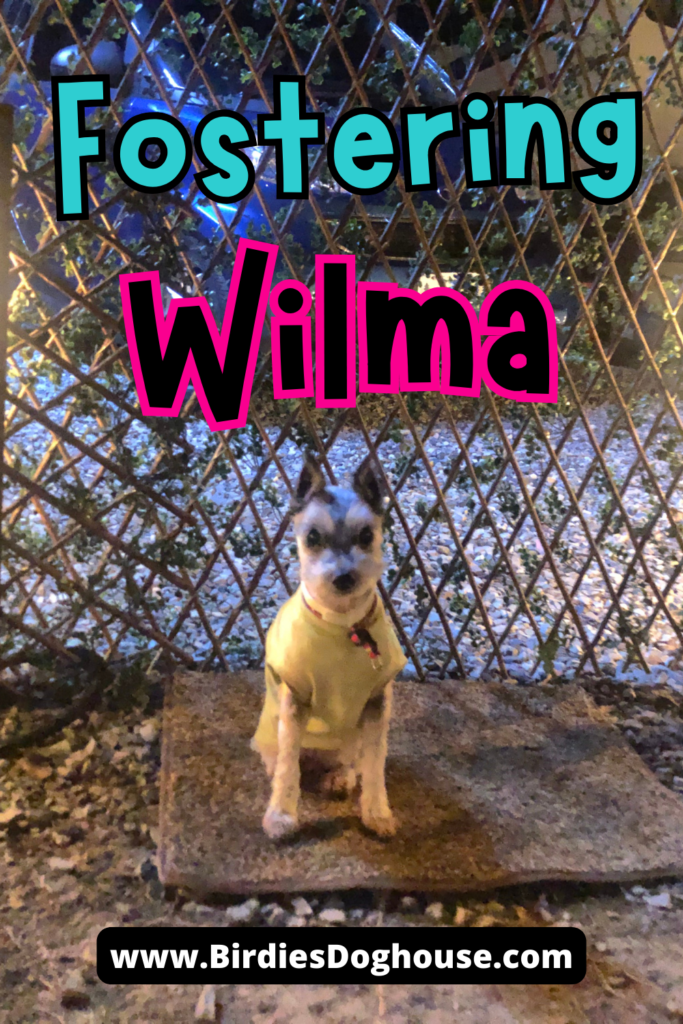
📘 RELATED READ: Meet Wilma: A Tale of Fostering and Heartache
Navigating the 3-3-3 Rule for Fostering Dogs
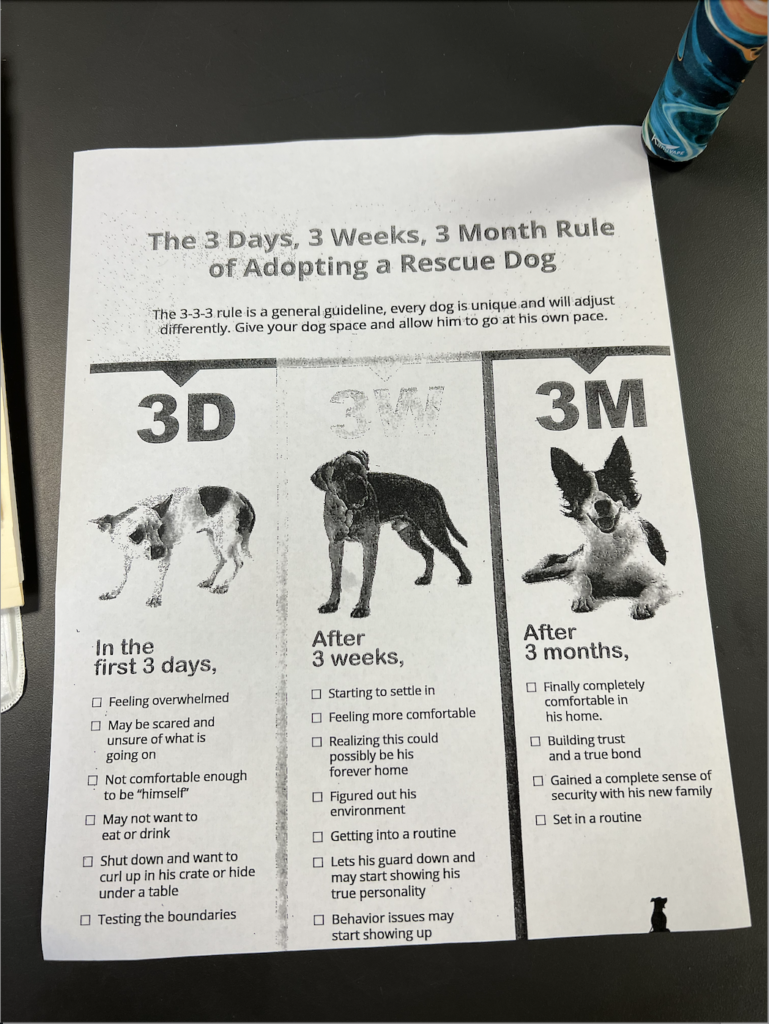
To set yourself up for absolute success, always keep the baseline 3-3-3 rule for dogs in mind when fostering, adopting, or rescuing. This industry-standard timeline breaks down their mental adjustment into three distinct stages: 3 days to decompress from initial survival shock, 3 weeks to begin learning your household routine, and 3 months to fully secure their confidence and show their true personality.
🔗 Read the Complete Blueprint: Because managing this timeline requires a deep dive into behavioral milestones, review our complete, standalone guide: The 3-3-3 Rule for Adopting a Dog or Cat.
Creating a Safe & Loving Environment for Your Foster Dog
When figuring out how does dog fostering work on a daily basis, your primary job is environmental management. Bringing a new rescue into an established multi-pet home requires a deliberate approach to behavior and safety. Use these two foundational rules to protect your household rhythm:
- 📌 Dedicate Time, Attention, and Reassurance: Spend intentional, quiet time with your new foster dog, offering calm affection, sweet talk, and high-value rewards. This intentional interaction not only helps the new rescue feel secure but also reassures your resident pets that the new dog is a positive addition to the family.
- 📌 Balance Affection and Resources Among All Pets: Give your resident pets extra affection, one-on-one attention, and treats alongside the foster dog to maintain harmony, avoid jealousy, and prevent resource guarding. You want your entire pack to understand that the presence of a new dog results in more praises, love, and treats for everyone involved.
🔗 The Secure Gear Setup: Want to see the exact tools, durable gates, and high-value training rewards we use to keep the peace and safely introduce new rescues to our 5-dog crew? Explore our vetted toolkits inside the Birdie’s Favorite Essentials Hub.
Setting Boundaries and Discipline: Fostering a Dog Tips
When evaluating how does dog fostering work in your daily routine, establishing a firm behavioral baseline is just as critical as setting up your physical gear. I rarely ever have to use physical reprimands in my house—letting my pack know what “NO” means by showing them it upsets their Mommy is usually more than enough. While some outsiders might say I am too soft, setting clear parameters early ensures long-term safety.
If you are trying to figure out; is fostering a dog a good idea for your current household footprint, use these three discipline guardrails to maintain order:
- 📌 Patience with Potty Training: Do not reprimand potty accidents or minor household missteps during the first few days and initial decompression phase. You never want a newly rescued dog to associate your presence with fear or anxiety. We keep plenty of dog diapers and potty pads around.
- 📌 Addressing Redirected Aggression Calmly: If a new foster dog growls, lunges, or shows active resource guarding, use a stern, calm voice or a sudden loud noise (like clapping your hands or tapping a rolled-up magazine on a table) to disrupt the unwanted behavior. Physical punishment is unnecessary and should be avoided. If extreme behavioral triggers or biting risks occur, utilizing high-quality muzzles and crate safety setups is your best operational intervention.
- 📌 Establish Pack Boundaries Early: Make it clear from day one that you are the leader of the environment. Dogs thrive and settle their anxiety much faster when they understand a consistent structure. Consistent communication and positive reinforcement are your absolute best tools.
Unless a major scrap breaks out and I am physically separating animals, I focus entirely on establishing boundaries the second they come home. My adopted crew knows the rules; they do not like to upset me (their dog mom — guardian of the pack), and if they make a misstep, they pout and quickly come back to apologize!
🔗 The Mobile Boundary Framework: Maintaining absolute command and strict pack boundaries is non-negotiable if you live an untethered, location-independent lifestyle. Squeezing a multi-rescue pack into a travel trailer, a condo layout, or an RV park lot requires specific spatial management rules. Check out our field-tested space-saving tips over at RVersity.
Understanding Their Energy Levels: Varied Sleep and Activity Patterns
When assessing how does dog fostering work over the first few weeks, you will quickly notice that a rescue dog’s energy levels are rarely consistent. Some shelter dogs will sleep for days at a time as their bodies finally drop their survival cortisol levels, while others may pace the floor, exhibit restlessness, or struggle to find a baseline rhythm.
If you are currently evaluating if is fostering a dog a good idea for your day-to-day routine, be prepared to expect these extreme ups and downs at first. Every single rescue dog settles into a household schedule differently:
- 💤 The Sleepers: Some dogs are naturally lazier overall. They will sleep in late, crave extra decompression time, and want to burrow completely under the covers to feel safe.
- 👀 The Alert Restless Type: Other rescues remain hyper-vigilant, springing awake at the absolute first sign of noise, movement, or foot traffic in the hallway.
Be patient. They will fall in line with your household rhythm soon enough. The goal during this energy transition is providing a predictable schedule so their nervous system learns when it is time to work, play, and rest.
🔗 The Decompression Gear Guide: Managing a dog’s fluctuating energy levels requires the right environmental setups, from heavy-duty wire crates for restless pacers to calming nesting spaces for under-the-covers sleepers. Check out the exact field-tested tools we use across our 5-dog rescue crew: Birdie’s Favorite Essentials Hub.
Final Thoughts: Is Fostering a Dog a Good Idea for You?
The journey of welcoming a temporary rescue into your space is filled with incredible ups and downs, especially during the initial decompression phase. With consistency, love, and clear boundaries, you will get to see your foster pup’s true, beautiful personality emerge as they settle into your daily flow. Remember, every rescue animal operates on their own timeline—some will take significantly longer than others to fully trust you. But discovering the real benefits of fostering dogs by helping a scared shelter pup find comfort, safety, and eventually a forever home is a reward beyond measure.
Fostering is a deeply meaningful way to contribute to animal welfare while experiencing the pure joy of helping a dog in need. Whether you are looking to make a short-term commitment or exploring the idea of a permanent adoption, opening your home is a powerful choice that actively saves lives.
If you are ready to make a massive difference, reach out to a local rescue or shelter and start your onboarding journey today!
🔗 Best Avenues to Find Your Foster: Ready to find an active database or check online shelter networks to pull your first foster pup? Read our optimized guide: Best Online Websites to Adopt a Dog or Cat (Top Pet Adoption Sites).
🔗 What to Expect Long-Term: Once your foster dog clears their first few weeks of structure, their developmental milestones will change. Prep for the next stage by checking out our next guide: What to Expect the First Month After Adopting a Dog.
Join the Birdie’s Doghouse Pack!
💯 Meet Us: Since Adopting Birdie we’ve acquired 4 more Rescues in our crew! Currently, we have 5 Dogs and One Cat! You can meet all the animals here!
🐾 Follow Us: Also, don’t forget to follow @BirdiesDoghouse on Social Media via Instagram, Facebook, Pinterest, and YouTube! Plus, subscribe to the Newsletter for email updates!
🛟 Help Us: Help Birdie on her mission to save more fur babies’ lives just like we did hers! Remember sharing is caring so please spread the word! You can also SHOP our store, and DONATE for the paws!
🌎 Explore the Ecosystem: My blogs are more than websites—they are real-world blueprints designed for a lifestyle of ultimate freedom. You can tour my (Blogging Brandi) entire digital real estate portfolio at The High Caliber Hacienda here.
🚐 Adventure & Mobility: Want to see how we manage our 5-dog pack full-time on the road? Get our logistics setup for untethered remote travel over at RVersity.