Bringing a new dog into your home is an incredible milestone, but the operational prep work looks a little different depending on whether you are welcoming a permanent family member or opening your heart to a temporary foster pup.
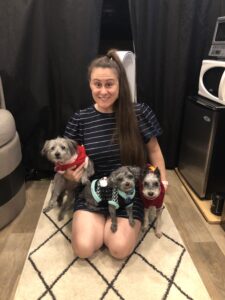
As a location-independent pet parent living with five rescue dogs and a cat, I know firsthand that gathering the right supplies before arrival day is the single best way to lower baseline stress for everyone involved.
This comprehensive shopping guide covers the essential gear you need to gather for both fostering and adopting, ensuring your home is a secure, welcoming environment from day one.
Fostering vs. Adopting: The Supply Reality Check
If you are stepping up to foster a dog, the supply logistics look a bit different than standard dog adoption. Most rescue organizations and shelters will try to provide you with basic dog essentials like food, standard leashes, and medical care.
However, because rescues run entirely on tight budgets and community donations, the food they give out isn’t always the healthiest, and the gear might be heavily used.
In our pack, we always tell the dog rescue coordinators to keep their supplies and give them to another foster family who needs them more. If you have the means, buying your own high-quality gear ensures your foster dog gets premium nutrition and field-tested safety tools.
Keep in mind that while a shelter will almost always lend you a secure crate if they have one available, they rarely give out items like dog beds — so you’ll want to have those comfort items ready to go on your own.
Core Essentials for Fostering & Adopting A Dog
✅ Dog Collar
A well-fitting collar — not too tight, not too loose — is a basic necessity for any dog to securely attach ID tags and leashes.
If you are fostering, look for durable, highly adjustable nylon collars since you won’t know the dog’s exact neck size until they arrive.
If you are adopting permanently, consider upgrading to a slip-proof Martingale collar or a multi-point harness for maximum transition safety.

✅ Dog Leash
A sturdy leash is key for safe walks, potty breaks, and initial bonding time. Standard 6-foot nylon leashes are perfect for both setups, but make sure it’s strong enough for the dog’s size and energy level. Avoid retractable leashes for newly transitioning dogs, as they don’t give you enough control if a dog panics.

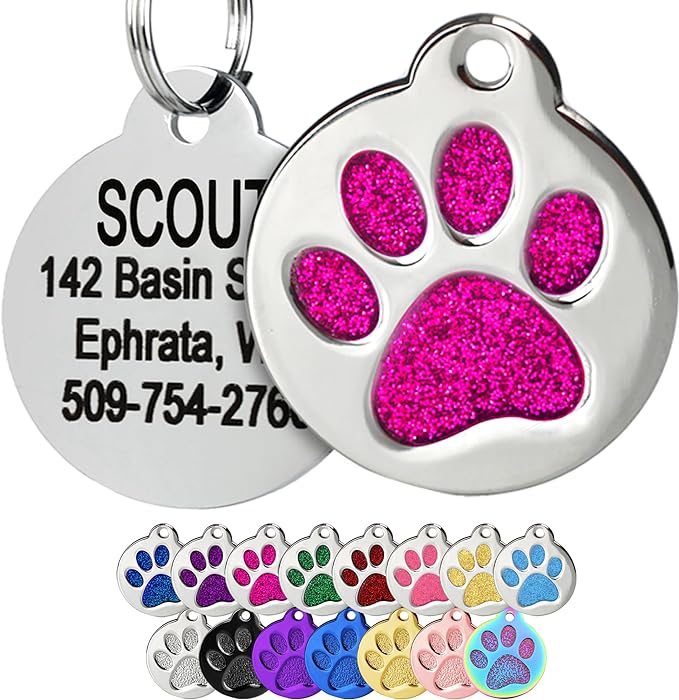
✅ Personalized Dog Tag
In case your dog ever gets loose, a personalized dog tag with your contact info is what brings them back home. Include your phone number and city — skip the full address for privacy.
NOTE: This is crucial for dogs who don’t know your home yet and are a high flight risk during the first month.
👉 Check out our favorite: Dog Collars, Leashes, ID Tags & Tracking: Essentials Every Pet Owner Needs
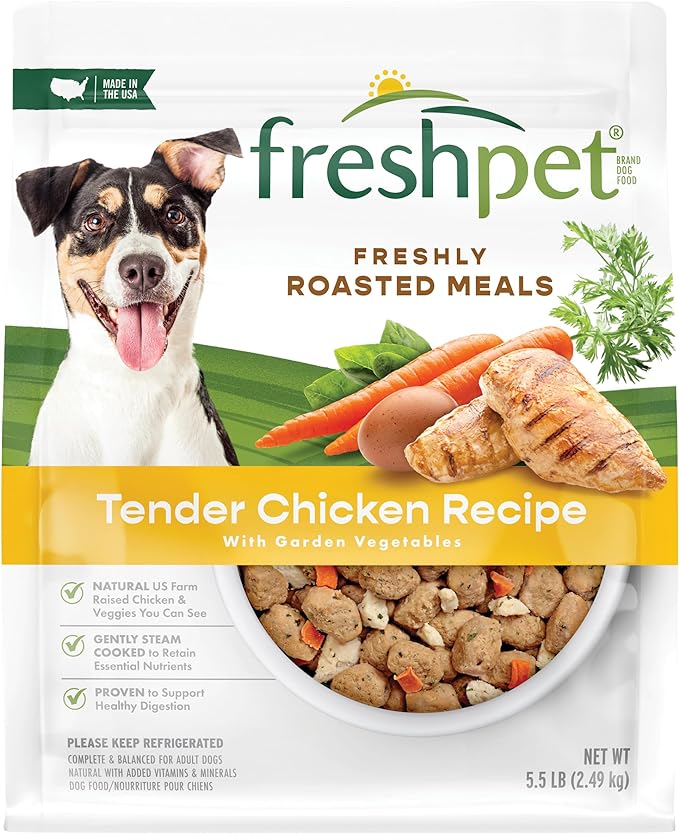
✅ Dog Food & Water
Quality dog food matched to your dog’s age, size, and dietary needs is essential. Always keep fresh water available to keep your pup hydrated and healthy.
If you are adopting, you’ll be selecting your own brand from day one. If you are fostering, the rescue will likely provide food, but because they rely on donations, it might not match your nutritional standards or what your pack normally eats.
Furthermore, a sudden shift in diet can cause major digestive issues for a stressed rescue dog, so try to transition them slowly if you choose to feed your own premium brand.
✅ Dog Bowls
Non-slip, easy-to-clean food and water bowls are a must. Stainless steel or ceramic bowls are usually best, as they’re more hygienic and durable than plastic options.
For permanent adopters, these will last a lifetime. For foster parents, stainless steel is an absolute requirement because it allows you to thoroughly scrub down and sanitize the bowls between different foster dogs, keeping your resident pets safe from any shelter germs.

✅ Dog Training Treats
Tasty, high-reward treats are great for positive reinforcement training. Use small, soft treats that are easy to chew and motivating enough to capture your dog’s attention.
Whether you are adopting permanently or fostering, high-value treats are your absolute best tool for building fast trust and earning a dog’s focus.
Shelters rarely provide premium, high-motivation training rewards, so stocking your own soft, aromatic treats is essential for helping a nervous rescue dog successfully navigate their first week of decompression in a brand-new environment.
PS. We also like to give our dogs easy-to-chew dental dog treats that help keep their canine teeth clean in between dental visits.

👉 Related Resource: Dog Feeding Supplies: Best Food, Bowls, Treats & Tips
✅ Dog Bed & House
Every dog deserves a cozy spot to rest. Whether it’s a plush bed, calming donut, or orthopedic cushion, a good bed helps your new pup feel safe and relaxed in their new environment.
If you are adopting, this is a permanent investment in your dog’s comfort. If you are fostering, keep in mind that shelters rarely have the budget or resources to give out dog beds because they are difficult to sanitize between animals.
While they might lend you a wire crate, providing a soft, dedicated bed is a comfort essential you’ll want to have ready on your own to give an anxious pup a true sense of security.
👉 Check out our favorite: Pet Essentials: Beds, Houses & Furniture For Dogs (plus our cat loves them too!)

✅ Pet Gate or Crate
A pet gate or crate can help set boundaries, aid with training, and provide a secure space for your dog when you’re not around. Crates can also be comforting dens for dogs when introduced properly.
If you are fostering, check with your rescue group before buying a crate — most organizations have an inventory of standard wire crates they will happily lend you for the duration of the dog’s stay.
However, investing in a high-quality pet gate is highly recommended if you have existing pets at home. A gate allows you to section off a safe room or hallway so your new foster pup can decompress visually without your resident dogs or cats feeling threatened.

✅ Dog Toys
Toys help relieve boredom, support mental stimulation, and build trust between you and your dog. Stock up on a variety—chew toys, tug toys, squeakers, and interactive puzzles to keep things interesting.
When welcoming a new rescue or foster pup, keep in mind that high situational anxiety can lead to intense stress-chewing during the first week.
While shelters might give you a basic plush toy from their donation bin, these can easily be shredded by a nervous dog. Prioritizing durable rubber chew toys and interactive food puzzles is a much safer bet — it gives them a healthy way to redirect their nervous energy without destroying household items.

👉 Check out our favorite: Must-Have Dog Toys for Playtime, Training & Chewing
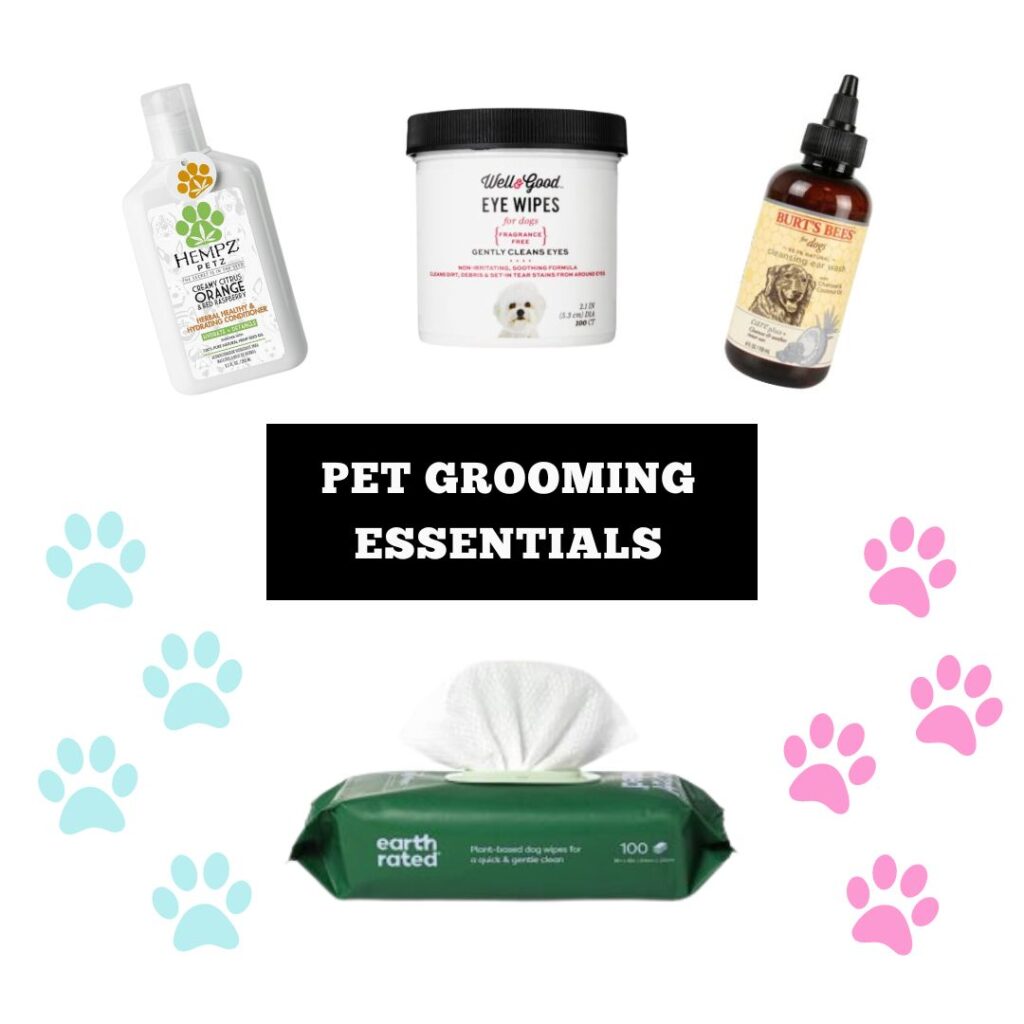
✅ Grooming Supplies
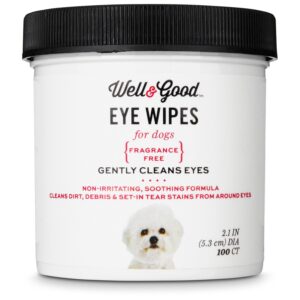
Whether it’s brushes, dog-safe shampoo, nail clippers, or ear wipes, keeping up with grooming helps your dog feel (and smell) their best. Regular grooming also helps you bond and check for any health issues.
Incoming foster dogs and rescue pups often transition out of the facility smelling strongly of the shelter or dealing with minor coat matting. While a rescue group might be able to spare a basic bottle of shampoo, they won’t have grooming tools to give you.
Having your own slicker brush and ear wipes on hand allows you to safely clean them up on day one, check for underlying skin issues, and use gentle brushing as a quiet, hands-on way to build initial trust.
👉 Check out our favorite: Pet Grooming Essentials for Dogs (our cat uses them too!)
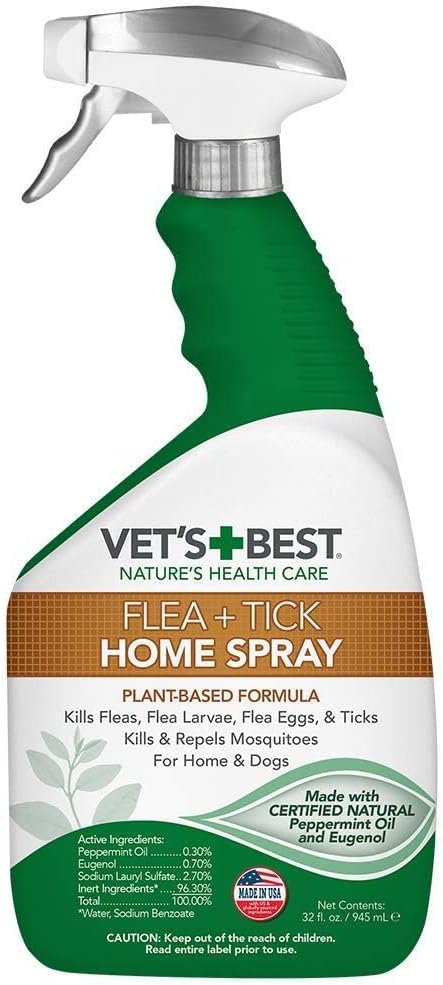
✅ Flea & Tick Prevention
Especially important if your dog will be going outdoors or around other animals. Consult a vet and stock up on recommended preventatives.
If you are fostering, the rescue group will almost always provide these medical preventatives to you free of charge. Your main priority as a foster parent is confirming the dog has been treated before they enter your home to protect your resident pets from shelter fleas or ticks.
If you are adopting permanently, you will be fully responsible for these veterinary costs, so you’ll want to schedule a baseline vet visit within the first week to get a prescription tailored to your geographic area.
👉 Check out our favorite: Must-Have Flea & Tick Essentials for Dogs
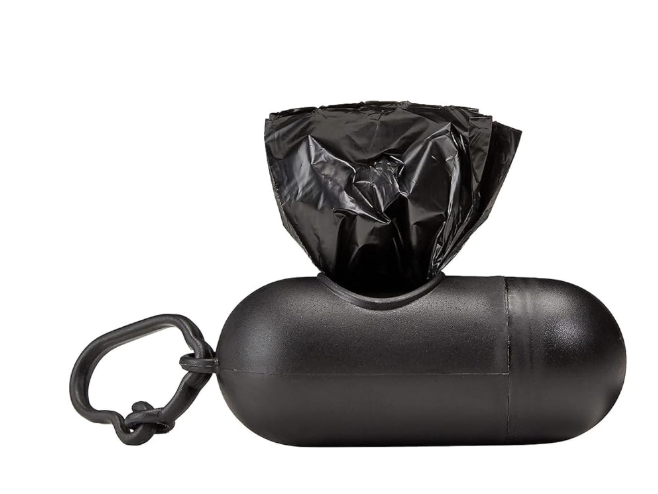
✅ Poop Bags & Holder
You’ll need poop bags for walks and clean-ups. Get eco-friendly ones if you can, and use a clip-on holder for easy access.
While a shelter or rescue group might toss a handful of loose waste bags into a transition folder, they rarely provide dispensers or continuous supplies. Having a dedicated clip-on holder attached firmly to your leash ensures you are never caught unprepared when taking a nervous new pup out to explore the neighborhood boundaries.
✅ Potty Training Pads
Training pads are especially helpful for puppies or if you’re fostering a dog that’s not yet house-trained. They’re also great for emergencies or apartment living when immediate outdoor access isn’t available.
Keep in mind that even older, historically housebroken adult dogs can experience brief potty regression due to the sheer stress of changing environments. Laying down a few training pads near exit doors gives both fosters and adopters an immediate safety net while the pup figures out your daily routine.

✅ Bissell Spot Cleaner Vacuum for Pets
Accidents happen—especially in the early days. A portable pet vacuum or spot cleaner makes it easier to handle messes, stains, and fur before they take over your home.
This is the ultimate secret weapon for foster parents. When you are rotating different shelter dogs through your living space over time, a high-quality deep cleaner is a lifesaver for completely erasing embedded scents, ensuring the next incoming foster dog doesn’t try to instinctively “mark” the exact same carpet spot.

✅ ID Microchip Registration & Scanner
Make sure the microchip (if your dog has one) is registered and updated with your current contact info.
If you are fostering, the rescue organization will remain the primary contact on the microchip registry so the dog can always be traced back to safety. If you are adopting permanently, updating this registry to your personal cell phone number is a critical task for your first week.
👉 Pro-Tip from the Pack: If you plan on fostering frequently or are active in your local pet community, consider buying a basic, pocket-sized handheld microchip reader to keep at home. When people post about lost dogs on Facebook, or if a stray wanders onto your property, being able to scan them instantly at home saves a stressful trip to the vet or shelter and helps reunite families much faster!

✅ Dog Toothbrush & Toothpaste
Dental hygiene is often overlooked, but it is super important for your dog’s long-term health.
While a foster dog likely won’t be with you long enough for a deep dental routine (and shelters rarely send you home with a doggy toothbrush), starting permanent adopters on a gentle brushing routine early prevents plaque buildup and massive vet bills down the road.
👉 Related Resource: The Ultimate Guide to Dog Dental Care: Tips, Products, and Routines

Wrap-Up: Preparing Your Home for Success
Gathering your gear ahead of time is the single best way to ensure a smooth transition, whether you are opening your heart to a temporary foster pup or welcoming a permanent new family member. Having your infrastructure in place allows you to focus 100% on what matters most during those critical first few days: helping your new companion decompress, feel safe, and adjust to your daily rhythm.
🧭 Shop Our Curated Dog Essentials & Resources
Want to see the exact infrastructure, gear, and daily supplies we use to manage our busy multi-pet pack at home and on the road? Visit our official Birdie’s Doghouse Curated Storefront to explore our favorite field-tested dog products, pet-friendly mobility gear, durable toys, wellness tools, and healthy treats!
🐾 Expand Your Pet Care Toolkit: Birdie’s Must-Have Guides
Don’t stop here! Check out our other comprehensive, field-tested resource guides to keep your four-legged family members safe, healthy, and completely spoiled:
- 📋 Adoption Prep: Must-Have Items for Adopting a Dog! (The Ultimate Checklist)
- 🦴 Daily Nutrition: Dog Feeding Supplies: Best Food, Bowls, Treats & Expert Tips
- 🚫 Pest Control: Must-Have Flea & Tick Essentials for Dogs: Protect Your Pet from Bugs!
- 🧸 Playtime & Training: Must-Have Dog Toys for Playtime, Training & Heavy Chewing
- 🆔 Safety & Gear: Dog Collars, Leashes, ID Tags & Tracking: Essentials Every Owner Needs
- 🛒 On-the-Go Mobility: Best Dog Strollers: Must-Have Dog Essentials for Travel & Walks
- ⛺ Home Comfort: Dog Essentials: Best Beds, Houses & Furniture for Comfort
- ✂️ Coat Care: Pet Grooming Essentials for Dogs: Easy At-Home Grooming Solutions
- 🪥 Dental Health: The Ultimate Guide to Dog Dental Care: Tips, Products, and Routines
- 👜 Best Dog Carrier Slings: Hands-Free Dog Essentials for Everyday Adventures
- 🏥 Master Health Hub: Dog Care 101 Checklist: Master Tips for Dog Health & Wellness
- 🚐 The Ultimate Dog Whip: Ultimate Pet Minivan: Our DIY Remodel for Dogs & Cats (1993 Dodge Caravan)
🐾 Join the Birdie’s Doghouse Pack!
💯 Meet Us: Since Adopting Birdie we’ve acquired 4 more Rescues in our crew! Currently, we have 5 Dogs and One Cat! You can meet all the animals here!
🐾 Follow Us: Also, don’t forget to follow @BirdiesDoghouse on Social Media via Instagram, Facebook, Pinterest, and YouTube! Plus, subscribe to the Newsletter for email updates!
🛟 Help Us: Help Birdie on her mission to save more fur babies’ lives just like we did hers! Remember sharing is caring so please spread the word! You can also SHOP our store, and DONATE for the paws!