Bringing a new rescue animal into your family ecosystem is an incredible, life-changing milestone. But if you are sitting on your phone late at night searching for how to prepare for a new dog, the sheer volume of choices can feel overwhelming.
As a dog mom managing a fast-paced, location-independent lifestyle with five rescue pups and one highly confident cat, I can tell you that preparation is the thin line between an easy transition and pure chaos. Whether you are setting up a stationary condo, prepping a travel trailer at the RV park, or routing a road trip to go visit Nanny & Meme, setting up a predictable environment and proper routine is step number one.
Before you jump into the physical checklist, remember that proper transition preparation rules aren’t just for canines! Our multi-pet lifestyle evolution includes a feline mastermind, too. If you want to see how we rescued our cat into a massive dog-heavy pack, read Johnny’s Rescue Story, or check out his personal empire over at Cattitude Chaos.
Below is our battle-tested, real-world checklist covering the exact things to know before adopting a dog to ensure your home, budget, and pack are perfectly aligned.
10 Tips For Adopting A Dog (How to Get Prepared)
If you want to ensure a smooth transition, you have to build a solid foundation before your new pack member ever steps foot inside your space. Below are the 10 essential pet adoption tips every future owner needs to know.
1. Gather Your Dog’s Supplies
The very first step on your dog checklist for adopting is setting up your gear. You want to have absolutely everything you need to make your new rescue feel completely safe and comfortable before bringing them home.
Whether you are configuring a tight setup inside a travel trailer or setting up a house, having these basic dog rescue tips essentials ready will save you from a late-night emergency run to the pet store:
- Walking & Safety Gear: A secure dog collar, a durable dog leash, and a personalized dog tag with your current contact info.
- Nutrition: Premium dog food, fresh water, and heavy-duty dog bowls (stainless steel or ceramic works best to prevent tipping).
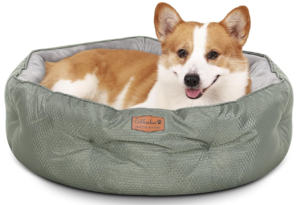
- Management & Rest: A comfortable dog bed, a sturdy pet gate, or a secure dog crate.
- Enrichment & Reinforcement: High-value dog training treats and durable dog toys to keep them occupied during downtime.
- Hygiene & Clean-Up: Basic grooming supplies, potty training pads, and an enzymatic cleaner on hand for those inevitable accidents in the early stages of house-training.
🧼 Pack Mom Tip: If you live on the road or split time between a condo and an RV park, a portable Bissell Spot Cleaner Vacuum for Pets is an absolute lifesaver for managing messes in small spaces.
👉 Read Our Full Guide: Want a deep dive into the exact brands and gear setup we use? Check out our master resource guide: Must-Have Items for Fostering or Adopting a Dog.
🛒 Shop Our Favorites: You can browse the individual accessories our pack uses directly on the Birdie’s Doghouse Favorites Page.
2. Prepare Your Home for Fido
One of the most critical things to know before adopting a dog is how to properly “dog-proof” your living environment before bringing them home. Take a slow walk through your space and stow away dangerous household chemicals, electrical cords, or loose items that might be harmful to small or overly curious pups. At the same time, pick up anything valuable that you don’t want to accidentally get chewed during the initial decompression phase.
You should prepare everyone else in the household too, especially if you have children around. Sit down and clearly discuss which family members will take up daily chores like feeding, potty walks, and initial training routines so boundaries are consistent from day one.
If other animals already live in your home, ensuring their safety and comfort is step number one. Make sure all current vaccinations are completely up-to-date. You must also establish a designated area where your resident pets can safely retreat, giving them a stress-free way to acclimate to the new dog’s arrival on their own timeline.
🐱 Pack Mom Reality Check: This step isn’t just generic advice—it’s a safety rule we live by. When we brought our rescue cat, Johnny, into our massive five-dog pack, careful boundary management was the only reason our transition succeeded! If you want to see how we safely manage our multi-pet ecosystem on the move, check out Johnny the Cat-Dog’s Rescue Story or read up on his personal perspective over at Cattitude Chaos.
👉 Read Next: Ready to tackle the behavioral side of bringing a new pet home? Avoid major routine friction by reviewing our comprehensive guide on The 3-3-3 Rule for Adopting a Dog.

3. Assign a Safe Space for Your Dog
When researching how to prepare for a new dog, setting up a dedicated physical boundary is just as important as buying food. Before your rescue pup arrives, you must assign a designated “safe zone” where they can go whenever they need quiet decompression time, a nap, or a break from household stimulation.
This retreat area doesn’t have to be fancy. It can be:
- A sturdy wire crate draped with a light sheet to create a cozy den.
- A plush dog bed tucked away in a quiet corner of the room.
- A small, gated-off area like a laundry room or a cozy nook in your travel trailer.
Make sure this space is entirely out of the path of high-volume foot traffic. Fill it with comfortable, washable blankets and a couple of durable chew toys to help them self-soothe. Let everyone in the house know that when the dog is in their safe space, they are to be left completely alone to rest.
🛒 Shop Our Favorite Space-Savers: If you are trying to configure boundaries in a smaller space like a condo or a mobile rig, browse our favorite heavy-duty crates and adjustable containment gates on the Birdie’s Doghouse Favorites Page.
👉 Read Next: Want to know exactly how your dog’s behavior will shift as they acclimate to this safe space over their first four weeks? Read our step-by-step timeline on What to Expect the First Month After Adopting a Dog.

4. Plan How (and When) to Bring Your Dog Home
When map-routing your timeline for bringing home a shelter dog, timing is everything. If possible, arrange to pick your new pet up at the start of a standard weekend or take a couple of structured days off from your regular schedule to help them acclimate to their new surroundings.
However, avoid the common trap of picking them up at the very beginning of a long, multi-week vacation. If your new dog gets used to you being constantly accessible 24/7 without a normal routine, they are far more likely to develop severe separation anxiety the second you suddenly head back to work or step out for errands.
For the actual transit ride, have a helper drive while you sit nearby to comfort the dog, or secure them safely in a travel crate in the back. Do not forget to bring your walking leash, a secure collar, and any specialized travel harnesses if you are transporting them directly to a mobile rig or an RV park. Drive straight to your designated home base without making any chaotic or distracting stops along the way.
👉 Read Next: Day one triggers the official decompression clock. Make sure you understand the exact physical and psychological phases your rescue will experience by reading our deep-dive guide on The 3-3-3 Rule for Adopting a Dog.
5. Tour the Inside of Your Home on a Leash
When figuring out exactly what to do when adopting a dog during those first few critical hours, do not just unclip the leash the moment you step through the front door. Keep your new pup on a standard training leash as you slowly let them explore, decompress, and sniff the indoor perimeter.
Walk them directly to their designated food station, water bowls, crate area, and bed. Keeping the leash on gives you total, gentle control over the situation—which is especially crucial if you are configuring tight boundaries inside a travel trailer, an RV park setup, or a temporary space like a hotel room.
Use this initial walkthrough to establish what is strictly off-limits. If they try to jump on furniture or chew on a stray cord, use short, clear, and firm commands like “no” or “leave it.” However, do not immediately start loudly reprimanding your new rescue friend; doing so can cause them to become fearful or shut down. Be gentle, patient, and consistent in your indoor training approach.
👉 Read Our Veteran Resource Guide: Want more real-world advice on setting up seamless indoor boundaries and managing multi-pet routines without the stress? Read our expert Foster Dog Tips: Insights from Years of Experience.
6. Explore the Yard Outside on a Leash
One of the most vital tips for bringing home a shelter dog is to treat the outdoor perimeter with extreme caution. Newly adopted dogs are highly prone to flight risks during their first few weeks because they haven’t yet learned that your space is their safe haven.
Whether your outdoor area is a traditional fenced backyard, a shared patch of grass at a mobile RV park, or a temporary hotel pet relief zone, always keep your new rescue securely on a leash. Give them plenty of uninterrupted time and space to slowly sniff out and process their new surroundings. If you have designated a specific potty location in your space, lead them directly to it on the leash and immediately reward them with high-value treats and praise when they use it successfully.
Inside the home, consider placing heavy-duty potty training pads directly next to the specific exit doors you want your dog to eventually learn to cue at when they need to go out.
🐕 Pack Mom Reality Check: Do not underestimate the flight risk! Almost every single rescue dog we have ever brought into our pack has tried to bolt or run away during those first few days or weeks. Our newest rescue, Little Boy, has been part of our family for over a year now, and he is still only allowed outside on a secure leash. His instinct is to instantly take off the second he spots a squirrel, a bird, a strange human, or a cat. Keeping the leash attached ensures your pup stays safe while they learn the household rules.
👉 Read Our Gear Guide: Before you head outside, make sure your walking gear is completely secure. Check out our field-tested recommendations for the Best Dog Collars and Leashes for Training and Safety.
👉 Read Little Boy’s Story: Want to see the full timeline of how we brought our high-prey-drive pup into our multi-pet lifestyle ecosystem? Read his official history in Meet Little Boy: Our Latest Dog Rescue and Adoption Story.

7. Introduce Fido to the Rest of the Pack
When reviewing what to know when adopting a dog, handling the initial introductions with existing family members and resident pets requires a strict, slow protocol. To avoid territory disputes or over-stimulation, never just bring a new dog straight into the house to meet everyone at once.
Follow this controlled, step-by-step introduction sequence instead:
- Meet on Neutral Ground: Introduce your existing dogs to the new canine outside, away from the home base, and one-by-one.
- Keep Leashes Active: Keep all dogs on secure training leashes, maintain a safe physical distance, and closely supervise their body language. Too intense or rushed of an introduction can cause resident pets to become instantly territorial.
- Set Human Boundaries: Remind children (and visiting adults) to give the new rescue space. Restrain kids from immediately hugging or kissing the dog, no matter how adorable they are. Let the new dog approach people on their own terms.
- The Multi-Pet Pivot: If your family ecosystem includes non-canine members, use extra caution.
🐱 Pack Mom Reality Check: Managing introductions gets exponentially more strategic when you travel or live in tight spaces with multiple species. When we introduce a new rescue to our crew of five dogs and our resident feline mastermind, Johnny, we utilize high-value training rewards to keep the energy calm[cite: 1]. You can see our exact multi-pet introduction setup by reading Johnny’s Cat Rescue Story or checking out his dedicated feline platform over at Cattitude Chaos.
🛒 Stock Your Training Pouch: High-value treats are non-negotiable for rewarding calm behavior during pack introductions. Grab our favorite field-tested, non-greasy training rewards directly on the Birdie’s Doghouse Shop Page.
👉 Read Next: Want a complete breakdown of how to manage your new dog’s psychological stages over the critical first 72 hours of pack integration? Review our essential guide on The 3-3-3 Rule for Adopting a Dog.
8. Switch Your Dog’s Food Slowly
One of the most overlooked parts of what to know about adopting a dog is their digestive health during transition stress. When you pick up your pup from the shelter, ask them exactly what brand of food they have been eating. Even if you plan to upgrade them to a high-quality premium diet, do not switch their food completely on day one!
A sudden dietary change combined with the stress of a new environment is a guaranteed recipe for severe stomach upset or diarrhea. Instead, slowly mix their old shelter food with the new brand over a period of 7 to 14 days, gradually increasing the ratio of new food each day to let their system adjust.
👉 Read Our Master Nutritional Guide: Want a comprehensive breakdown of the exact brands we trust, plus a complete list of what human foods are toxic to your new pup? Read The Ultimate Guide to Dog Food, Safe Treats, & Canine Nutrition Rules.
9. Begin Training Your Dog Right Away
When mapping out how to prepare for a new dog, establishing clear boundaries early prevents massive future headaches. Even adult rescue dogs who were previously housebroken will require a little house training adjustment period. If you plan to crate train your dog, introduce him to his crate right away, and practice leaving them in it — with a favorite toy — for short periods while you step out of the house to let them acclimate.
You might even want to consider taking a formal obedience training course with your dog. Although you’ll still want to start working with them to establish the rules from day one. Again, don’t immediately reprimand your dog to make them fearful, especially since you don’t know their prior environment. Be firm but gentle in your corrections.
👉 Read Our Toy Guide: Want to keep your dog safely distracted while they acclimate to their new space? Check out our top recommendations in The Best Tough Durable Dog Toys for Heavy Chewers.
🛒 Shop Our Crate Essentials: You can find the exact heavy-duty crates and adjustable containment gates our pack uses on the move by browsing the Birdie’s Doghouse Favorites Page.
10. Get Your Dog Checked by a Vet
When preparing for what to expect when adopting a dog, setting up professional medical care right away is non-negotiable. Within a week of bringing Fido home, you should visit a veterinarian for a baseline health check and to make sure he has all his vaccinations if this wasn’t already performed at the shelter or rescue group.
Catching common rescue alignment issues like kennel cough, fleas, or minor parasites early keeps your new pup safe and protects the rest of your household.
👉 Read Our Wellness Guide: Want a complete breakdown of the medical baselines, vaccine schedules, and preventative care steps you need to track this year? Check out our expert resource: The Ultimate Dog Wellness Guide & Preventative Care Checklist.
Final Thoughts on Prepping for Your New Dog
Preparing to adopt a rescue dog involves a thoughtful, structured transition for both you and your new wet-nosed companion. Adopting is an incredibly beautiful milestone, but it is also a massive routine adjustment for both the animal and your family.
Don’t panic if the first few weeks feel a bit chaotic. By taking things one step at a time, establishing steady boundaries, and preparing your environment beforehand, you will completely ease the transition process and prevent that common feeling of temporary adoption remorse. Lean on patience, keep your training leash handy, and enjoy the beautiful journey of building a life with your new rescue companion!
📬 Join the Birdie’s Doghouse Pack!
💯 Meet Us: Since adopting Birdie, we’ve acquired 4 more Rescues in our crew! Currently, we have 5 Dogs and 1 Cat! You can meet all the animals here!
🐾 Follow Us: Also, don’t forget to follow @BirdiesDoghouse on Social Media via Instagram, Facebook, Pinterest, and YouTube! Plus, subscribe to the Newsletter for email updates!
🛟 Help Us: Help Birdie on her mission to save more fur babies’ lives just like we did hers! Remember sharing is caring so please spread the word! You can also SHOP our store, and DONATE for the paws!
🎯 Essential Next Steps For Your Transition:
👉 Find Your Match: Ready to find your new companion safely? Read our definitive guide on the Best Online Websites to Safely Find and Adopt a Pet.
👉 Master the Timeline: Want the exact practical schedule for your first four weeks together? Bookmark our manual on What to Expect the First Month After Adopting a Dog.
👉 Read Our Budget & Prep Guide: To make sure your household finances are totally prepped for the monthly costs of premium food and care, review our guide on the Real Cost of Owning a Dog: Budget & Financial Checklist.